Last Updated on July 2, 2024
A marine terroir and the freshest of wines.
When you try a wine for the first time, do you visualise its origin? Best of all, of course, is visiting the region and seeing for yourself what makes the wine so special. And, of all the places I’ve travelled to, Étang du Thau in the Languedoc is one that truly embodies the wine of the region, Picpoul de Pinet.

The Étang de Thau is one of a series of lagoons that line the Mediterranean around Montpellier. It’s particularly famous for its bountiful harvest of oysters and mussels, cultivated in nutrient-rich waters blending the freshness of the salty lagoon with the earthiness of the surrounding land.

The oysters from the Étang de Thau are legendary—plump, succulent, and imbued with the taste of the sea. Each one is a little morsel of marine perfection, best enjoyed with just a squeeze of lemon and a chilled glass of local Picpoul de Pinet. This crisp, minerally white wine, with bright acidity and citrus notes, is the perfect partner, creating a symphony of flavours that epitomizes the coastal French dining experience.
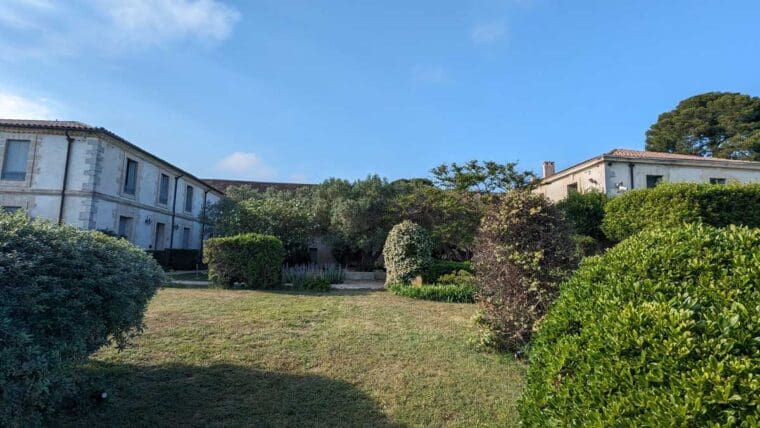
Picpoul is one of those wines that I didn’t know about until around 10 years ago. Perhaps that’s not surprising because although the grape variety Picpoul has been cultivated in the region for centuries, the appellation wasn’t recognized until 1985. Picpoul de Pinet is now the largest wine-producing area in the Languedoc. Over the past 30 years, production of Picpoul de Pinet has risen from around 1.7 million bottles in 1985 to over 12 million bottles sold globally today. What’s more, the UK is the wine’s biggest market. Until relatively recently Picpoul was cultivated more because it is one of the key grape varieties used in Noilly Prat. For that purpose, the wine is matured in cask for 8 months, then transferred to smaller oak barrels and aged outside for a year creating a dry, full-bodied, amber-coloured wine. It’s then brought back inside, blended, fortified with Mistell and then macerated with a blend of twenty or so herbs and spices over three weeks.

Today in London, you’re as likely to be offered a glass of Picpoul with your oysters as anything else. This zesty white wine has surged in popularity, perhaps because it perfectly captures the essence of the Mediterranean climate and coastal terroir. Thanks to the efforts of organizations like Ormarine, Picpoul is now widely available in the UK at a price point that makes it a formidable rival to the likes of New Zealand Sauvignon Blanc.
Founded in 1922 as a cooperative winery, Ormarine has grown and evolved, now managing an extensive area of vineyards. It produces about 2.5 million bottles each year from 20,000 hectares of vineyards. These vineyards, planted on a mix of limestone and sandy soils, benefit from the cooling breezes of the nearby Étang de Thau and the Mediterranean Sea, which impart the distinctive minerally and saline notes to the final wine.

Dinner at Domaine du Mas Neuf served as a brilliant showcase for Ormarine wines, featuring carefully crafted pairings with exquisite dishes. The evening began with an aperitif of a new sparkling Picpoul and a selection of canapés. This sparkling wine, which should retail in the UK for around £15, was delightfully refreshing and delicious.

The head winemaker for Maison Jeanjean, Iain Munson MW, provided an insightful introduction to each of the wines.

After the canapés, Ravioli de Homard et Bouillon de Gingembre (lobster ravioli in ginger bouillon), was nothing short of spectacular. Paired with Ormarine’s Villemarin 2023, available through Majestic in the UK for £11.99 a bottle, it was a match made in heaven. The wine’s bright acidity and mineral notes perfectly complemented the rich, succulent lobster and the aromatic ginger broth.
A delicate dish of Fillet de Sole et Son Jardin de Legumes de Saison was expertly paired with Ormarine Black Label 2023, a wine crafted from grapes grown in the hillier parts of the Picpoul AOC. This elevation gives it a fuller body and a touch less acidity, creating a harmonious balance with the dish.

Next up was the Pelardon Marine et Sa Fraicheur a L’Huile D’Olive, a beautifully brined goat cheese drizzled with olive oil, served alongside Ormarine Cuvee Estela.

This wine, aged for six months on fine lees, is Picpoul’s answer to Muscadet Sur Lie. The process of ageing Picpoul on its own spent yeast cells imparts complex flavours and a rich texture without sacrificing the wine’s signature acidity and salinity. It was a pairing that showcased the nuanced sophistication of Ormarine’s wines, leaving no doubt about their capability to impress.

Dans Son Cube Glace, Soupe de Frais et Son Sorbet Fraise Basilic was a refreshing end to the meal, paired with yet more of the sparkling Picpoul. It was an excellent introduction to Ormarine and Picpoul de Pinet and a very fine meal too!

The next day, we learnt more about Ormarine and the operation of a modern cooperative winery, standing in fields of vines with Étang de Thau in the distance. Cyril Payon painted a picture of a cooperative that’s not merely a drop-off point for local farmers, but a meticulous operation where Ormarine holds the reins from start to finish. Every step, from cultivation techniques to the precise moment of grape harvesting, is orchestrated by Ormarine’s expert hands.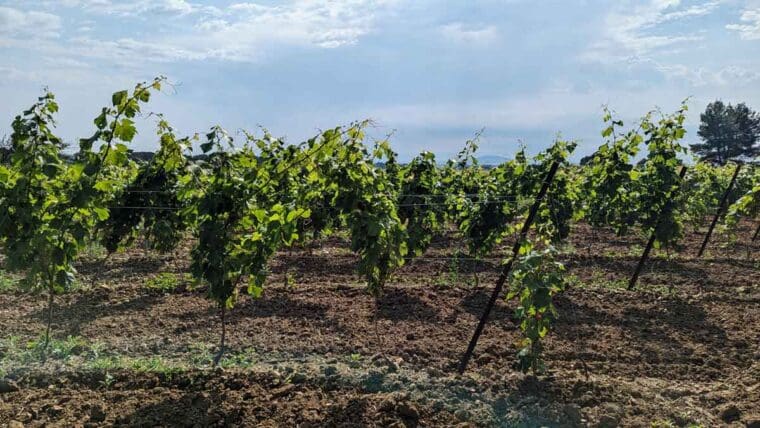
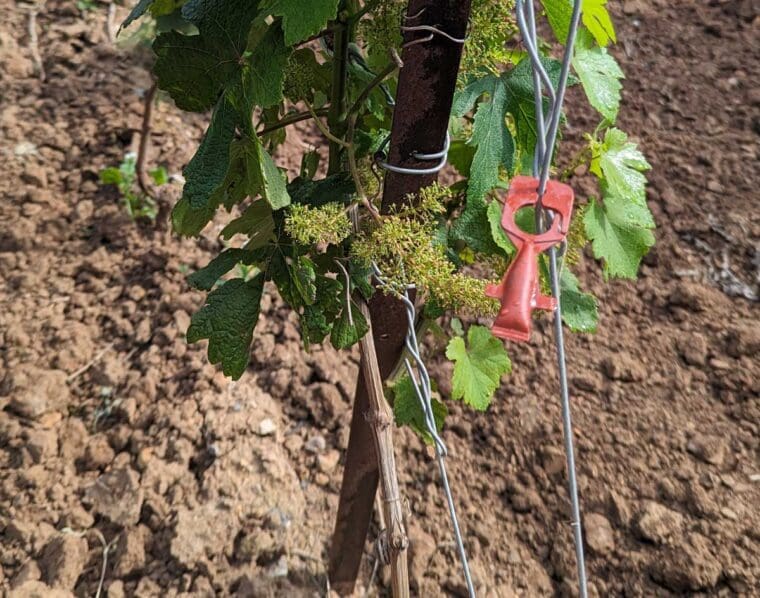
It’s more of a symphony of agricultural precision, rather than a free-for-all. We marvelled at the pheromone traps dotting the vineyards, an emblem of their Terra Vitis certification—a badge of honour in the French sustainable wine industry. Ormarine is the only Picpoul producer based in the heart of the appellation in the village of Pinet.
To truly grasp the soul of Ormarine’s wines, we embarked on a boat trip across the Étang de Thau. This lagoon is the region’s lifeblood, famed for its oyster beds that have spawned gastronomic legends. It was a chance to savour Ormarine’s Picpoul de Pinet while surrounded by the very waters that nourish its creation. Plates of oysters, seafood, and cheese graced our table to complement the wine. Although the wind thwarted our plans to wade in the lagoon, we found our footing on a small island, making the tasting even more memorable.

Then, on in our little boat to learn more about oyster cultivation. Étang de Thau is home to 50 producers who farm 2,750 oyster tables producing 13,000 tonnes annually.

From a distance, the oyster beds look rather surreal.

Up close though, the wires hold poles, each one studded with oysters. I was fascinated to see one of my favourite shellfish ‘in progress’.

Lunch at Le Grand Blue in Bouzigues was the perfect coda to our culinary symphony. Overlooking the lagoon, we indulged in a bounty of seafood delights—from crispy whitebait and smoky grilled oysters to a whole seabass. Each dish was a testament to the region’s maritime riches, and naturally, each bite was accompanied by the crisp, vibrant notes of more Ormarine Picpoul de Pinet. A deep dive into the flavours and traditions that make the Étang de Thau and its surroundings a gastronomic paradise.

Later at a range tasting, we were given the chance to try perhaps the most interesting, Ormarine Acaciae, a vintage wine created by Maison JeanJean’s head winemaker, Iain Munson together with Cyril Payon, director of Ormarine. We tried the current release, 2020. It’s a cuvée that has been carefully developed to make the best wine possible, matured on lees and aged in Acacia barrels for five months. The aim is to create a Picpoul that will age well and target white burgundy. I for one will be interested to see how it develops and will be looking out for it in the UK.

Visiting the Étang de Thau and the vineyards of Ormarine offers a real chance to understand how terroir influences wine. And, it’s a part of France that really deserves to be better known – with fabulous beaches, pink flamingoes, Picpoul and Oysters! If you can’t go yourself, then do look out for the distinctive Ormarine bottle for a delicious, easy-to-drink white wine that will pair perfectly with your summer seafood platter!

For more about Ormarine, do check their website
Ormarine Villemarin 2023 is available from Majestic at £11.99 for a single bottle or £9.99
Ormarine Cuvée Estela aged on fine lees 2023 is available from Majestic priced at £14.99 or £11.99 as part of a mix of six bottles

Leave a Reply