Last Updated on November 2, 2024
Types of Champagne – All About The Best Known Sparkling Wine in the World.
What makes Champagne so special? And how do you know which type of Champagne is right for you?
There are several elements to consider – Champagne is a multidimensional drink so, apart from the basic controls about what can be called Champagne, consider the following when picking the right type of Champagne for you
- Who has made the Champagne – a Maison, Co-operative or Grower Producer
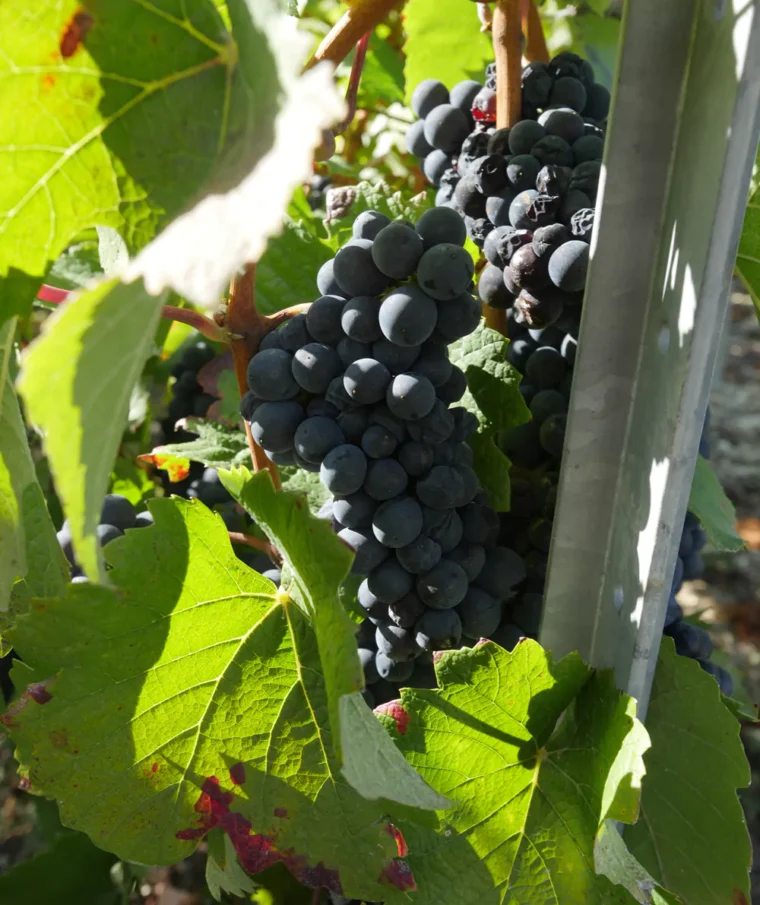
- What mix of Champagne grapes have been used? The three most common are Pinot Noir, Pinot Meunier and Chardonnay and all three are often blended
- Is your Champagne vintage or non-vintage?
- Where do the grapes in your Champagne come from? The Comité de Champagne classifies every village in the Champagne district and ‘Grand Crus’ Champagnes are from the very best villages.
- What dosage is added to your Champagne – that will help to determine how dry it is. Most of us today drink ‘Brut’ Champagne
- Are you drinking Champagne from a single variety – a Blanc de Blanc or Blanc de Noir – or a blend of two or more Champagne grapes?
- Are you drinking Rosé Champagne – and if so how has it been made?
All of these things will help to determine the style of Champagne in your glass. Learn more about the World’s favourite celebratory drink and discover the types of Champagne that work for you.
Contents
Basics of Champagne
The first thing to understand is that Champagne can only come from a specific region of France. And, the second thing to know is that it has to be made according to the Méthode Champenoise, the official and traditional way of making Champagne.
So, to be labelled Champagne it must both be made according to the official Champagne method and come from the Champagne region of France.
Where Does Champagne Come From?
All Champagne comes from a specific geographic part of France. Grapes for Champagne and Champagne wineries all have to be located in the Champagne appellation. It’s an area of France to the North East with 34,000 hectares of land. The appellation spreads over five wine-producing districts within the historical province: Aube, Côte des Blancs, Côte de Sézanne, Montagne de Reims, and Vallée de la Marne. Each wine-producing district is known for a specific grape type – so Côte des Blancs is best known for its Chardonnay, Marne for Pinot Meunier and Montagne de Reims for Pinot Noir.

And each wine district has a unique terroir that helps it produce best in class for the grapes grown in the area. The Montagne de Reims has a cool, chalky terrain that suits the Pinot Noir grape which adds backbone and body to the blend of a classic cuvée. The Pinot Meunier grown in the Marne Valley has more cold-weather resistance is particularly well suited to the soils of the Marne Valley which are a mix of clay and shale. Meunier adds roundness to the blend and helps the wine to mature faster. Chardonnay is predominant on the aptly named ‘Côte des Blancs’. It adds fragrance and minerality to Champagnes and matures at the slowest rate of the three main grape types.
In the mid-20th century, a system of rating was introduced to manage grape prices. This percentile system is known as the Échelle des Crus (“ladder of growth”). This system controls the price of grapes from each ‘crus’ or village. Grapes from vineyards in villages at the top of the ladder receive higher prices for their grapes than vineyards located in villages with a lower rating. A 100% rating is a Grand Crus while those villages rated between 90% and 99% are called Premier Crus. In reality, no villages are rated lower than 80%.

In 2015, the “Champagne hillsides, houses and cellars” were added to the UNESCO World Heritage list. This recognizes the unique cultural landscape of the five French Champagne départements of Aisne, Aube, Haute-Marne, Marne and Seine-et-Marne. But, apart from being a UNESCO world heritage site, the Champagne region is a beautiful place to visit.
What is Méthode Champenoise?
Also known as the official or traditional method of making Champagne, this is a process where sugar and yeast are added to the wine, which then undergoes a second fermentation in the bottle.
This creates carbon dioxide and lees, dead yeast cells. Once the fermentation is complete, the lees is then removed from the bottles and replaced with a solution of wine and sugar. The whole process takes from 7 months to several years and is just one reason why Champagne is expensive.

Many other sparkling wines are produced using this method but only wine from the Champagne region can be called Champagne. Examples of wines that use the traditional method of production include Cava, English Sparkling Wines, Franciacorta from Italy and even Crémant from France.
An alternative method of making sparkling wine is the Charmat method where the ‘fizz’ is added to wine in pressurized tanks. This is the normal way of making prosecco and does not involve secondary fermentation.
Champagne Grape Varieties
Champagne can be made from six types of grapes. Chardonnay (around 30% of total production), Pinot Noir (around 38% of total production), Pinot Meunier(around 32% of production), Petit Meslier, Arbane and Pinot Gris grapes. The first three are by far the most common accounting for more than 99% of production.
Types of Champagne Producers
Champagne is produced through a number of different organisational structures. Perhaps the best know are Maisons de Champagne, which we recognise as Champagne brands, but there are also Cooperatives and Vignerons some of whom are ‘Grower producers’ or récoltant-manipulant.
- Maisons de Champagne. According to the Comité de Champagne, the industry’s governing body, there are 360 Champagne Houses. They include large producers like Veuve Clicquot, Bollinger, Taittinger and Dom Perignon who are known as ‘Grandes Marques Champagne Houses’ who have to fulfil a number of criteria. Maisons de Champagne can own some of their own land but they also tend to have long-standing relationships with vignerons. These are known as negotiant agreements. Maisons de Champagne will generally own or buy grapes from a mix of the four principal Champagne AOC growths: the Montagne de Reims, the Vallée de la Marne, the Côte des Blancs and the Côte des Bar. The cellar master will be responsible for blending the still wines made from these grapes to create a cuvée or blend
- Cooperatives. These are generally made up of vignerons in the same geographical area who cooperate to produce their own label champagne. Nicholas Feuillatte is the best-known example.
- Vignerons. These are owners of wine parcels – sometimes simply rows of vines, sometimes fields or vineyards. Vignerons may have a direct relationship with the Maisons de Champagnes, they may work within a cooperative or they may produce their own champagne in which case they are ‘grower-producers’. They can produce quite unique champagnes but lack the flexibility of the Maisons de Champagne and Cooperatives to produce a consistent product since they generally don’t have the flexibility of wines to blend. Grower champagne is recognised by the letters RM for récoltant-manipulant on the label. We’ve visited a few grower-producers – Champagne Lacourte Godbillon in Ecueil and Champagne Météyer in the Marne Valley

But every Champagne producer can create a number of different types of Champagnes. Recognising the difference will not only help you understand which Champagnes will work best for each occasion but why some Champagnes carry a premium price tag.
Champagne Styles

Champagne Brut
The most common type of Champagne you will find is Champagne Brut NV. The term ‘Brut’ simply means dry and this Champagne has to have a dosage of 12 grams of sugar or less per litre. Each of the Champagne houses tries to maintain a distinctive style for their Champagne Brut NV, which in total accounts for 78.5% of exports. The letters NV after Brut stands for Non-Vintage. These Champagnes are made by blending wines from different years and crus. While they may not be cheap, the advantage of a Brut Non-Millésimé or Non-Vintage Champagne is that the cellar master can use his or her expertise to maintain a consistent quality by blending reserve wines, even if the weather conditions do not produce grapes suitable for a vintage declaration.

But, in reality, the scale of Champagnes from driest to sweetest, includes two champagnes that are drier. Brut Nature, also known as Brut Zero, has 0-3g of residual sugar per litre and a zero dosage while ‘Extra Brut’ has between 0 and 6g per litre residual sugar. The main difference between Brut Nature and Extra Brut is that there is no dosage for Brut Nature Champagne, the sugar that is in the wine is from the grapes
Extra Dry and Dry Champagne
All three Brut Champagnes have less sugar than ‘Extra Dry’ Champagne (with 12-18g residual sugar per litre) and ‘Dry Champagne’ which has 17-32g of residual sugar per litre. But, both ‘Extra Dry’ and ‘Dry’ or ‘Sec’ Champagnes are seldom produced today. Champagne Taittinger Nocture is one example, I have a half bottle to drink at some point – it’s a non-vintage wine with between 17 and 20g sugar dosage per litre of wine. A blend of over 35 crus which is then aged on lees for four years, it should make an easy wine to enjoy with cheese or dessert.
The somewhat confusing labels come from the fact that our tastes have changed since Champagne first became popular and we now prefer drier Champagnes. The idea of Brut Champagne only really developed towards the turn of the 19th century from 1870 onward when it was developed by Pommery allegedly to cater for the British taste for dry champagnes
Demi-Sec and Doux
Demi-sec Champagne has a higher level of dosage (sugar) added of between 32-50 grams of sugar per litre (g/l) and is a blend of any of the Pinot noir, Chardonnay and Pinot Meunier grapes from the Champagne appellation. Containing 32-50 grams of sugar per litre, demi-sec Champagne is a good compromise between reduced sugar content and flavour. The name of this medium-sweet sparkling wine means half-dry.
A demi-sec Champagne works particularly well with desserts, due to its sweeter taste. Some of the Champagne houses are also trying to reintroduce this type of champagne as a drink to enjoy on ice. Moët et Chandon Ice Impérial is a good example. It’s blended to be enjoyed over ice and has a dosage of 45g per litre. But, the Champagne House still tries to create a wine that is true to its house style – ‘bright fruitiness, a seductive palate and elegant maturity’
Champagne labelled Doux is the sweetest produced, with more than 50 grams of sugar per litre.
Champagnes from specific grape types
Blanc de Blancs
Blanc de Blanc means white from white grapes and Blanc de Blancs Champagnes are made only from white grapes, usually 100% Chardonnay. These Chardonnay grapes give this Champagne a light, fresh flavour.

The grapes used in Blanc de Blancs Champagne are most commonly found in the Côte des Blancs and Côte de Sézanne area. We’ve just enjoyed the 2014 Ayala Blanc de Blanc, which has just been released. Like many Maisons de Champagne, Ayala only releases a vintage Blanc de Blanc in suitably good years. This one is dry and minerally with hints of peach and passion fruit and a long lingering finish. 100% Chardonnay and made with grapes from the best vineyards in Côte des Blancs.
Blanc de Noirs
Made exclusively from red grapes, Blanc de Noirs Champagnes are less common. Made entirely from red grapes (Pinot Noir and Pinot Meunier) these Champagnes are created by lightly pressing the grapes to avoid colouring the wine with pigment from the grape skins. The majority of Blanc de Noir Champagnes are made exclusively from Pinot Noir.
It’s quite a rare Champagne – we were lucky enough to visit the Maison de Champagne at Billecart Salmon, where we finished our first dinner off with the 2002 vintage of their very special Blanc de Noir, Billecart-Salmon Clos St-Hilaire. This wine is made with grapes from pinot noir vines planted in one specific field or ‘clos’. Aged on lees for 15 years and with zero dosage, it was a fine and delicate end to the meal.

You can still find non-vintage Blanc de Noir and Blanc de Blancs, though.
Vintage and Non-Vintage Champagnes
Champagne Millesime or Vintage Champagnes
In addition to sweetness or dosage and blend of grapes, the third dimension is connected with age. But, it’s not about ‘older is better’ rather about the judgement of the Champagne Cellar Master in deciding how to manage the quality of grapes he or she has available each year and how well they will age.
To declare a vintage, the Cellar Master must be convinced that it is possible to produce an excellent Champagne worth of ageing without adding any ‘reserve’ wines into the blend. All champagne producers keep reserve wines from previous years as a way of managing the blend. But vintage Champagne can only contain grapes from the current year of harvest. The resulting wine has to be aged in bottle for a minimum of three years (more than twice the required ageing for non-vintage champagnes), but many houses will age their vintage wines for much longer before releasing them. Really old vintage champagnes are rare and expensive.

I’ve tried two in my lifetime – one a bottle of vintage Krug that was around 40 years old when we opened it and the other, Billecart-Salmon Nicholas François 1988 a heritage bottle which I tried in 2019 at Maison Billecart-Salmon. To keep this type of champagne in a good state for such a length of time, it should really be cellared – and few people these days have the space for that. In both cases, the colour of the champagne was darker and more concentrated, while the mousse was finer.
Non-Vintage Champagnes
Non-vintage Champagnes are not necessarily made from a single year’s harvest. Instead, the still reserve wines held in the Champagne Producer’s cellars are used to create a cuvée where any nuances of production or weather are compensated for by blending. This is a very important part of the Cellar Master’s trade – particularly for the Grandes Maisons, where the Brut NV is usually made to a particular house style every year. So, for example, when you buy Taittinger Brut NV it should taste the same, whether it was bottled three years ago or five. You may well develop a preference for a particular house style or a particular type of Champagne. If I am pressed I’ll usually say that I like Pol Roger, which is best known for being Winston Churchill’s favourite! But, the truth is I like most Champagnes – and, given the chance, will pick the one which I feel matches best with the occasion.
Rosé Champagne – standing apart.
While the popularity of pink Champagne or rosé Champagne is growing, the first rosé Champagne was introduced in 1764 by Ruinart. Today it’s a popular way to enjoy your fizz and this type of Champagne can be made by one of two methods. Either a small amount of still red Champagne wine is added to the blend of white wines after the first fermentation, or red champagne grapes are macerated in their skins before fermentation (like the Laurent Perrier mentioned below). Rosé Champagne can be vintage or non-vintage and can be a blend of any of the Champagne grapes. Some Rosé Champagnes, like Champagne Laurent-Perrier Cuvée Rosé, are made from 100% Pinot Noir grapes. Others like Perrier-Jouët’s Blason Rosé are made by blending a variety of champagne grapes. In the case of Blason Rosé that’s 25% Chardonnay, 50% Pinot Noir (including the added red wine) and 25% Pinot Meunier.

Vintage Rosé Champagnes are a particular treat for me – I love Billecart Salmon’s 2007 Cuvée Elizabeth Salmon 2007, which is a 50% Pinot Noir and 50% Chardonnay blend using Grand Cru and Premier Cru wines. It’s a low dosage for a rosé and some Pinot Noir is pressed and blended as a red wine to create the rosé. There’s a bottle hiding in my cupboard for the next very special occasion!
Summary – Different Types of Champagne.
It should be obvious by now that Champagne is a complex drink. The more you explore, the more you learn. And, for me, the options are part of the charm of this fascinating drink. I love the different house styles of the Maisons de Champagne. But, I also love grower Champagnes, where you’ll find a house style which is also affected by each year’s harvest and by what reserve wines the vineyard holds in stock.
The blend of Champagne grapes is one of the most important factors that affect each type of Champagne. The dosage is another factor. I’m drawn to lower dosage Champagnes these days.
Rosé Champagne has it’s own complexity – with two basic production methods complementing most of the elements that go into making all Champagnes.
While dosage, the blend of grapes and ageing account for much of the differences in types of Champagne, there’s more of course. The wine used for Champagne can be oaked in various types of barrels and casks. The pressed grapes can be slow-fermented over an extended period of 3-4 weeks to help retain aromatics and freshness. Malolactic fermentation can be used to soften the acidity of the still wines. And, in the case of the Maisons de Champagne, the sheer number of wines used in the initial blending is part of the house secret. Then, while there are minimums for ageing on lees, many champagne producers extend the period, often more than doubling the 15 months required for a non-vintage champagne.
And, with Champagne, there is no right answer – it’s all about personal taste. For me, that’s a great excuse to drink more and find out exactly what I like!
There are more features on London Unattached about individual Champagne Houses we’ve visited or where we’ve had guided tastings. For the definitive guide to all types of Champagne, check the website of the Comité de Champagne – the body which governs all Champagne production in France
.


Champagne makes events just that little bit more special!
I never knew there were so many different types.
Never knew I wanted to move to France and adore a Champaigne life style until I read this Cheers!
Wow – I feel like I should print all this out and turn it into a little pocket book for when I need to choose my nxt bottle of champagne – probably for a daughters wedding…… x
Thanks for the useful article. So much to learn about champagne!
The champagne region looks a beautiful place to visit!
I don’t know much about champagne, so this was a very useful article.
I Love this article, I will never drink champagne in the same way now, so fascinating learning about the grapes, storage, blends. And who knew rose champagne had been around so long, There is something decadent about a glass of champagne even if it’s a lower cost one makes you feel good I’m reading this again and I’m going to amaze my friends with my new found knowledge thank you for sharing
jnformative article cant beat champagne for a celebration
Fascinating information, thank you. Choosing champagne has always been difficult, but now I feel more enlightened.
A very informative post. An interesting read so thank you
Superb article, it really opened my mind about champagne in a more positive way! Great work!
You learn something new everyday i wouldn’t have thought that Pol Roger, is best known for being Winston Churchill’s favourite
Really interesting, I
never knew any of this!
This is a great article, very informative
Such an interesting article, found out some things I did not know about champagne such as levels of grapes according to the costs and six types of grapes, only noticed two of them before now. My favourite drink and so happy to find out more.
What a fab read, I didn’t realise there was so much to know about champagne, glad I read this prior to my festive shopping
Really interesting read enjoyed learning some interesting facts.
Great post, have learnt so much thank you
What an interesting article! I have learned so much about champagne.
This is so interesting, I’d really love to try some rose champagne now!
Well that article was definitely an eye opener, who’d have thought champagne has so many varieties, really interesting and will be looking for noir
This has been really useful – so much that I didn’t know.
Not going to lie, I didn’t know much about champagne at all! This was very informative
I don’t consider myself a conoisseur. I just know what I like and don’t like and have fun trying them all in the process! I found this post very informative though and will use some of these tips to pick myself a great champagne for new year!
I love Champagne, but I have learnt something new by reading this article
Really useful information, very interesting to know about the different types of champagne. Think will help me in picking the right one for Christmas Dinner.
Rose champagne sounds amazing. Really informative article!
Very informative information
I have really enjoyed reading this post, I am hosting Christmas at home this year for my family and I often struggle knowing which Champagne would be best to buy in as I don’t know much about it myself.
This post has helped and has learnt me alot about Champagne, thank you.
Great post, must have taken a long time to research all this. I feel bad that all I do is guzzle it!!
O wow ! So comprehensive – learnt so much thanks
Easy to read and understand
I feel much more knowledgeable about champagne now and did not realise how many different types there are.
I always wondered – other than price/age – between vintage and non-vintage!
interesting article. So much that i never knew.
This is such a helpful article and I feel much more knowledgeable about champagne now. Would love to try rose champagne, as it sounds delicious!
This is a great informative article
I am now considerably better informed than I was before. Cheers!
Interesting article. It’s always great to learn more information than you’ll ever need…just in case you do!
I didn’t really there are so many types of champagne. Thank you for sharing.
I hope I remember this when it comes to choosing champagne!
Thanks to your article I now know that I need to look for Champagne with “Doux” on the label so that they are sweeter, because the one’s that I have tried so far have been too bitter & dry for my liking!
Fantastic article. Brut is definitely the one for me.
This is great, I feel like I can pick a new bottle much easier now
Very interesting and informative article
The fact it can take several years makes sense for the quality and price.
Amazing info, I feel better informed now, thank you.
Oh I thought all Champagne was Brut! I hate anything sweet, I love a dry Champagne, but normally make do with a very dry Cava. My favourite Champagne is Ruinart, My husband had a bottle put in the room for us when we went to Dublin for my 40th and I have loved it ever since.
Much more to this wonderful drink than I first realised. Your article has got me dreaming about moving to France, though!
I’m clueless when it comes to champagne so this is a fantastic article xx
Ive learnt a lot- useful for quiz nights as well
Very details information. I should savour my champagne much more now and read labels before picking one. Thanks for sharing this is fabulous. I love the photo with the light blue 2CV. ?
Brilliant, so much information!
So good to be able to be able to learn more about Champagne, thank you so much for this in depth article.
Makes me think of family events
Love this article as it brought back so many memories and made me want to try Demi sec as this was my late fathers drink of choice It’s now on my to buy list
Sounds lovely ?
Ooh so interesting!
Very informative. Would definitely be the demi-sec for me as I like sweet fizz.
I love Champagne but knew so little about it!
Great article! I never knew that champagne comes from a specific part of France! Everyday is a school day!
Wow, I had no idea how many differences there can be in types of champagne, I didnt know of so many different grape types in particular. You learn something new everyday and I’m hoping now that a champagne question comes up on the Chase as I’ll be ready to shout out my new knowledge out lol
I love Champagne and this article was wonderfully informative and really helpful.
There is just something joyful about Champagne. It always evokes good times and celebration
Interesting article, I would love to visit Champagne in France to get the full experience!
Wow I feel like I know so much more now! I can share my new found knowledge with my champagne drinking buddies and impress them!
This is really interesting – I have to admit I have never got my head around the different types of champagne, hopefully, this will help me out a bit when I’m trying to pick one out!
Understanding the intricacies of its production has really enhanced my champagne drinking experience. Very well written. Thank you
I shall have to try Rosé Champagne now!
i knew nothing much about champagne but now know alot more
Thanks for the great information. I never knew so much about champagne!
So lovely to learn about champagne in great detail, all the work involved etc. It helps us appreciate every glass.
Love this article and the guidance it offers. It’s easy and quick to read and understand. Top marks!
Interesting article, who knew that there were so many different types of Champers?
great post! I love champagne, it’s so special.
Thanks for such an informative and interesting post, I never realised there was so much to learn about champagne
I thought champagne was just champagne I didn’t know there was so much to learn about it ? ? great article
A really useful article, thanks
Really informative article – I absolutely love Champagne and tend to stick to a couple of favourites when I treat myself – having read this I might have the courage to try something new
I Fizzically loved this article- so interesting
This is so informative, had no idea there were so many different types of champagne!
I have always been a chardonnay girl so a decent champagne is glorious, I have never had the cash to try that many but this piece has given me food for thought when it comes to making a choice, thank you.
Great write up, informative and easy to read! Ill be a bit more clued up when I go shopping now!
great article
Very informative article . I’ve learnt something about the range of Champagnes and processes which go into fermenting and production …
Love champagne, so great to learn more about the history of . Great read
Thanks for the great article. Outside of the odd wedding or party I don’t really drink champagne, so this was a revealing post.
I never realized there was so much to learn about champagne – I now feel a lot more knowledgeable!
I love real champagne and I am still amazed that in the USA they make “champagne” and label it as such!
Thank you for this article so interesting and I’ve learnt a lot, you can’t beat real bubbles especially for a special occasion love this article
Great article, thank you
Thanks for the great article. I really don’t know much about champagne.
Fantastic article and very informative
Its a lovely area of France and so close to visit
Thanks for the advice, very informative, and interesting to find out about the ratings system
Comprehensive information thanks
I have been to Reims but not to your Champagne house. Hopefully I will get there next time 🙂
I’d like to try rose champagne.
A very interesting and helpful article, I often struggle to know which champagne to pick and this has really helped so much.
Very interesting, thank you. I wasn’t aware of a Rose Champagne before reading this!
I did not realise that there are soo many different types of champagne
Very interesting, I’d definitely put more thought in to choosing the right one
A very informative post. Thank you for sharing.
interesting to learn about the ratings system
I know – it seems quite brutal in many ways because it really does make a major difference to how profitable a champagne house can be
What a well written and informative post. I will dip into it again to soak up more of the facts.
It’s raining again today so you’ve got me dreaming of sunny French vineyards!
I really enjoyed reading this and will put the info to good use in time for my planned celebrations.
I don’t drink champagne a lot but this is really interesting to read.
Very imformative…..excellent all round!
It is difficult to chhose a Champagne and on special occasions you do want the best. this article was illuminating
Thanks – I learnt a lot when I was researching it – and that’s despite having visited Champagne on many occasions!
Thanks for the advice, I really hope to get much better at picking good bubbly particularly in time for when we can have proper parties again!
It does make a really special event doesn’t it!